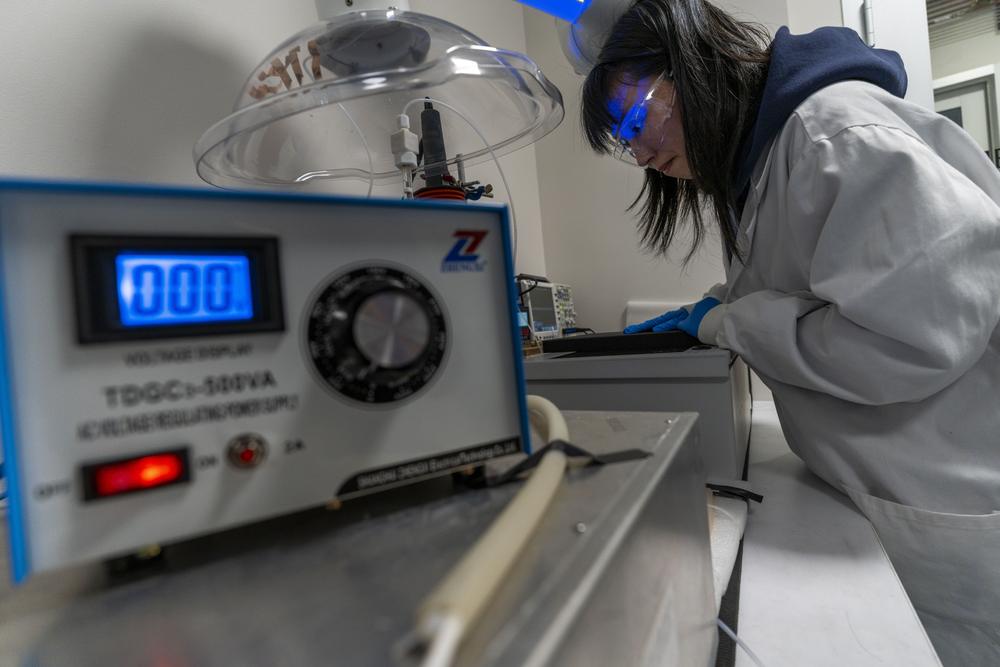
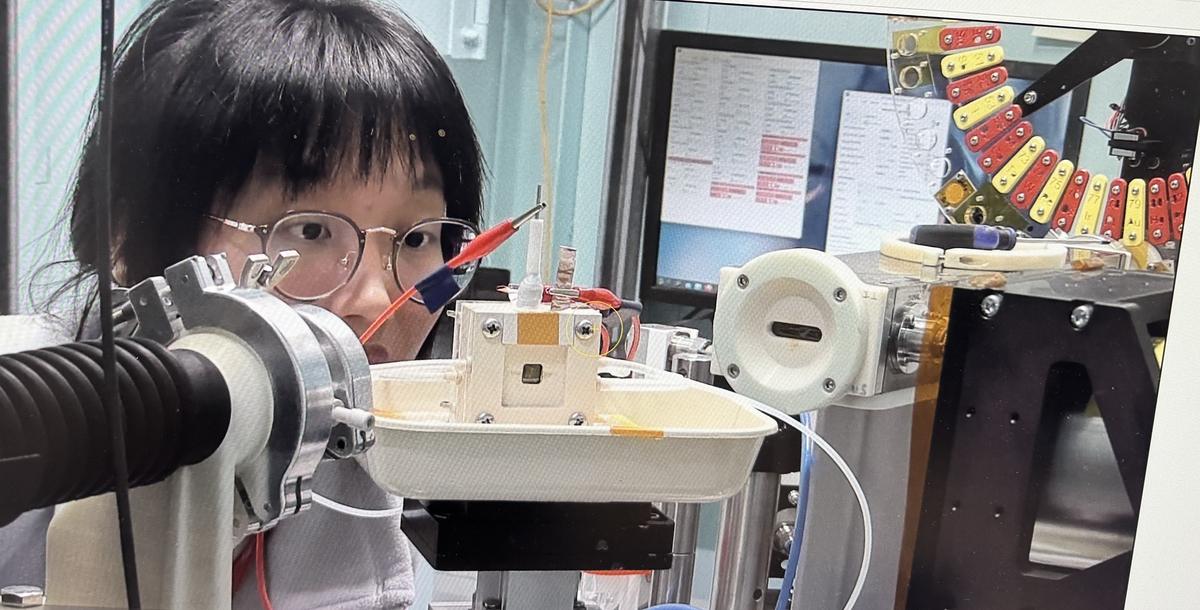
Watching reactions as they happen
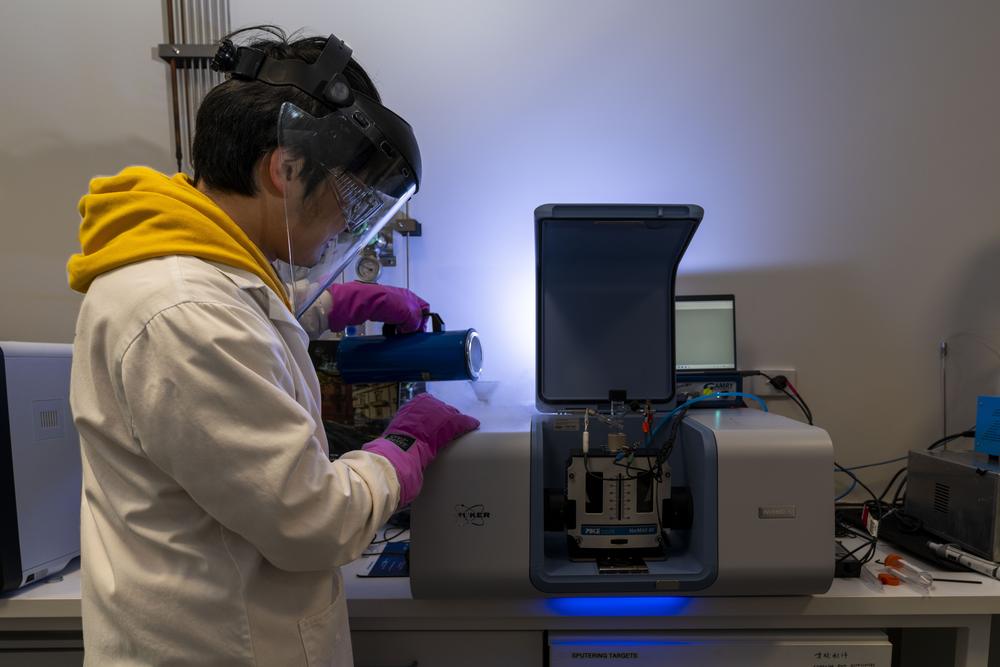
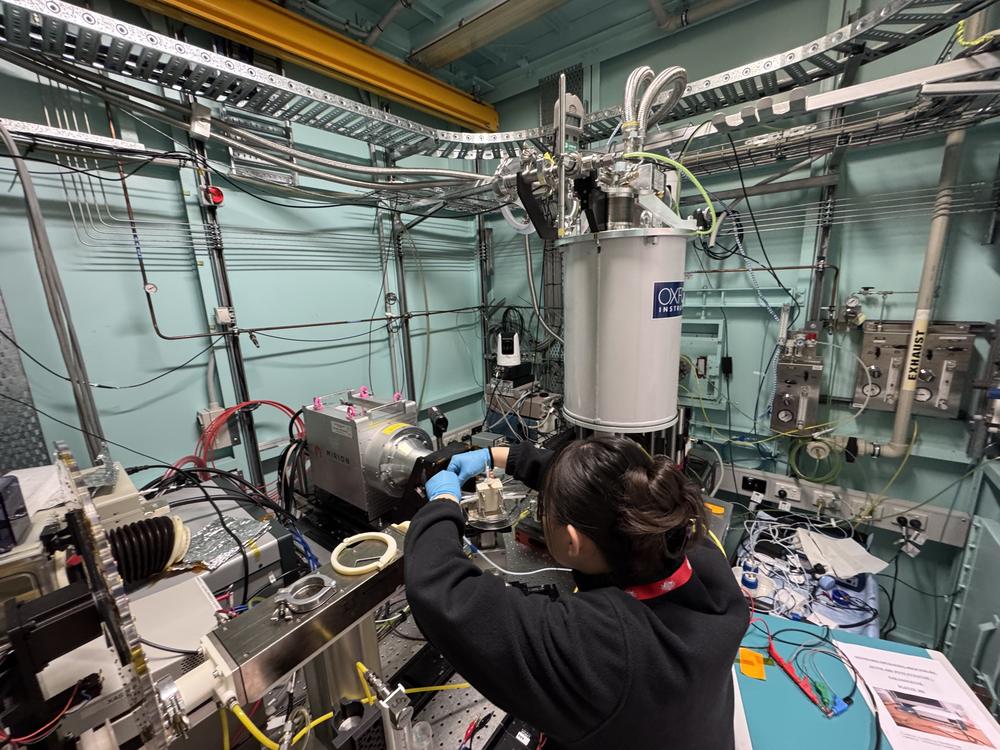
Operando infrared and X-ray absorption measurements follow catalysts and their interfaces while the reaction runs. Computation relates what we observe to the energies of the reaction steps.
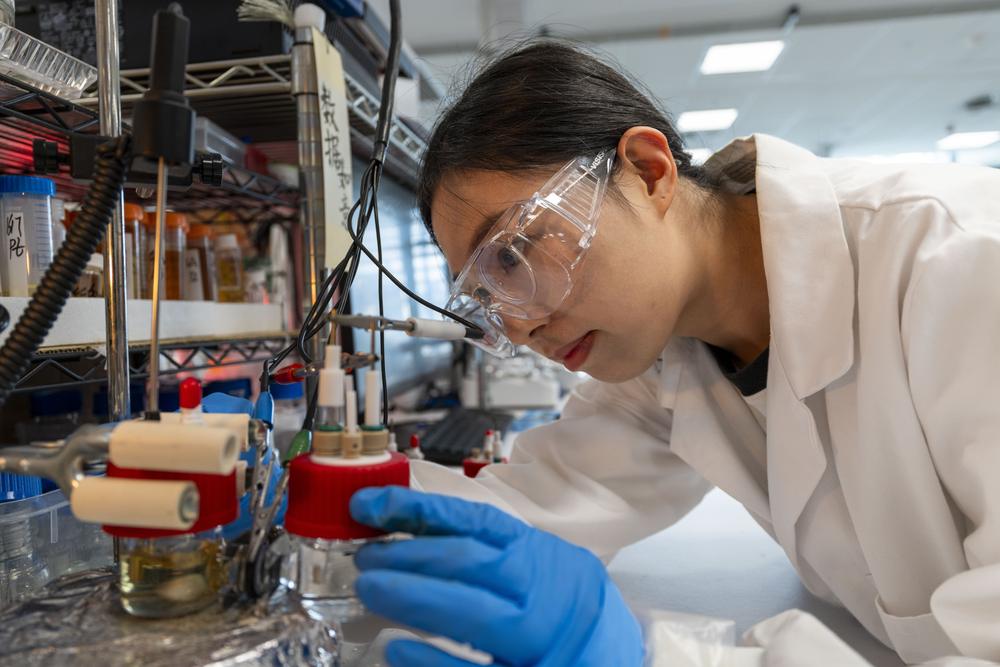
We investigate how catalysts and their working environments shape electrochemical reactions, and use this understanding to design better processes for sustainable chemicals and energy.
Following catalysts and their interfaces inside working devices, with operando characterisation and computation.
Turning CO2 back into chemicals and fuels with renewable electricity, so that carbon is reused rather than emitted.
Making ammonia with renewable electricity, and releasing the hydrogen it carries where it is needed.
Microfluidic and automated experiments that produce reliable data, with AI to plan the next experiment.
Operando infrared and X-ray absorption measurements follow catalysts and their interfaces while the reaction runs. Computation relates what we observe to the energies of the reaction steps.
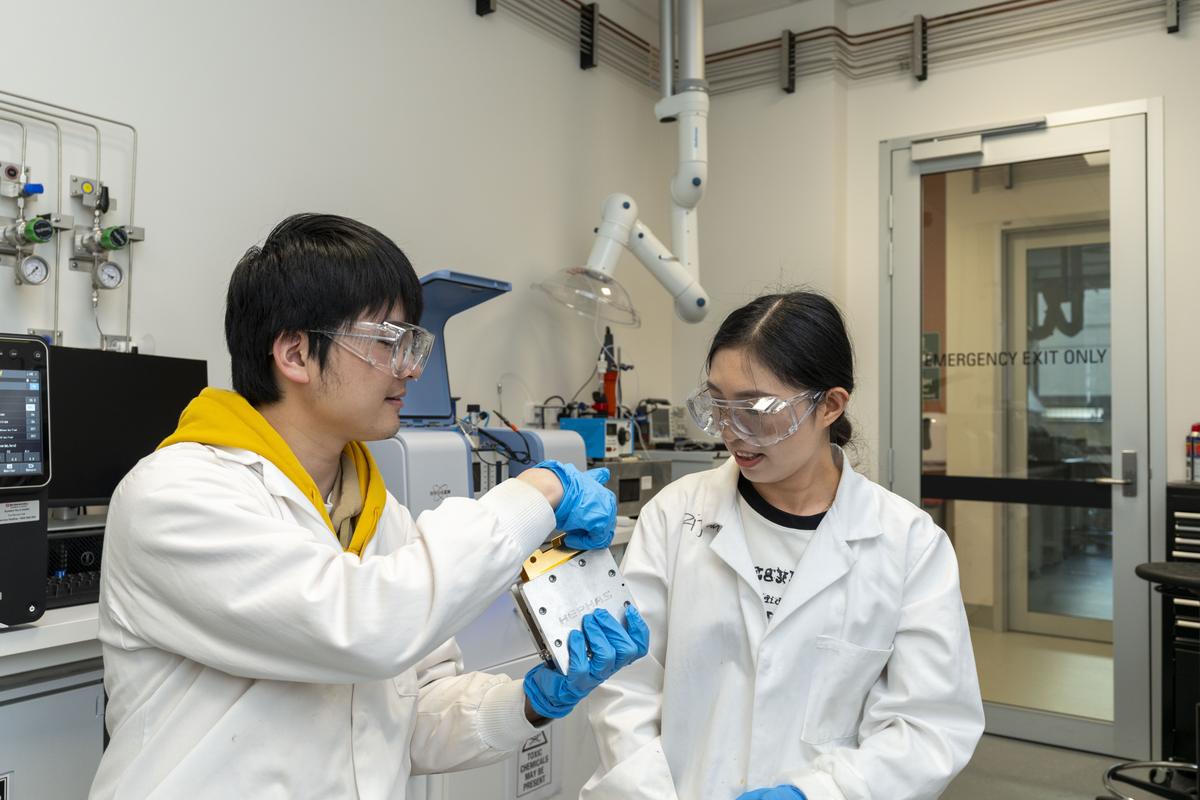
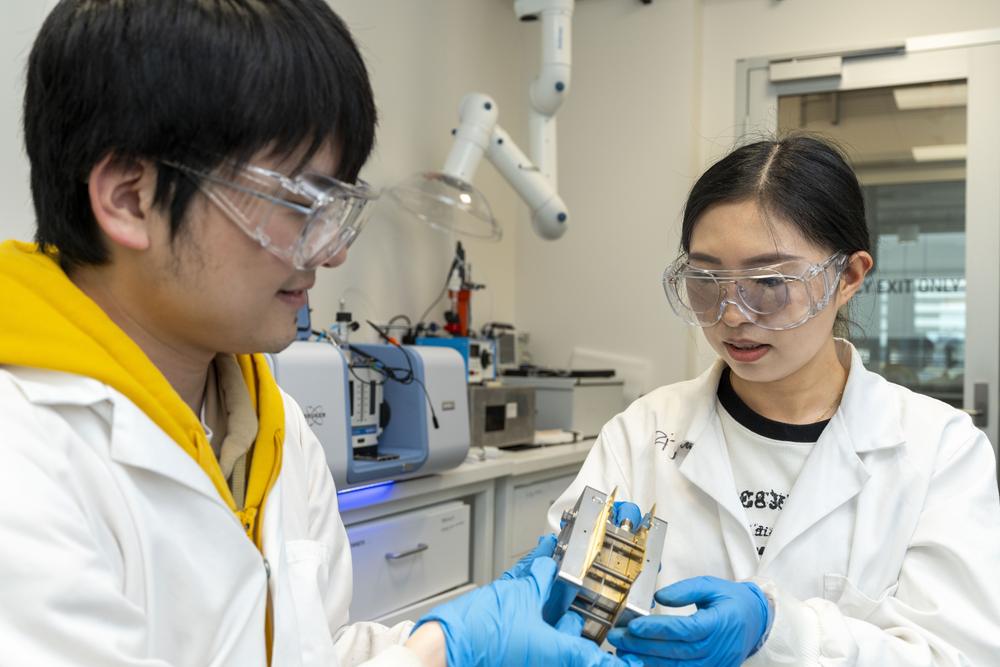
We test catalysts in electrolysers that turn CO2 into chemicals and fuels, make ammonia from nitrogen and water, and release the hydrogen that ammonia carries.
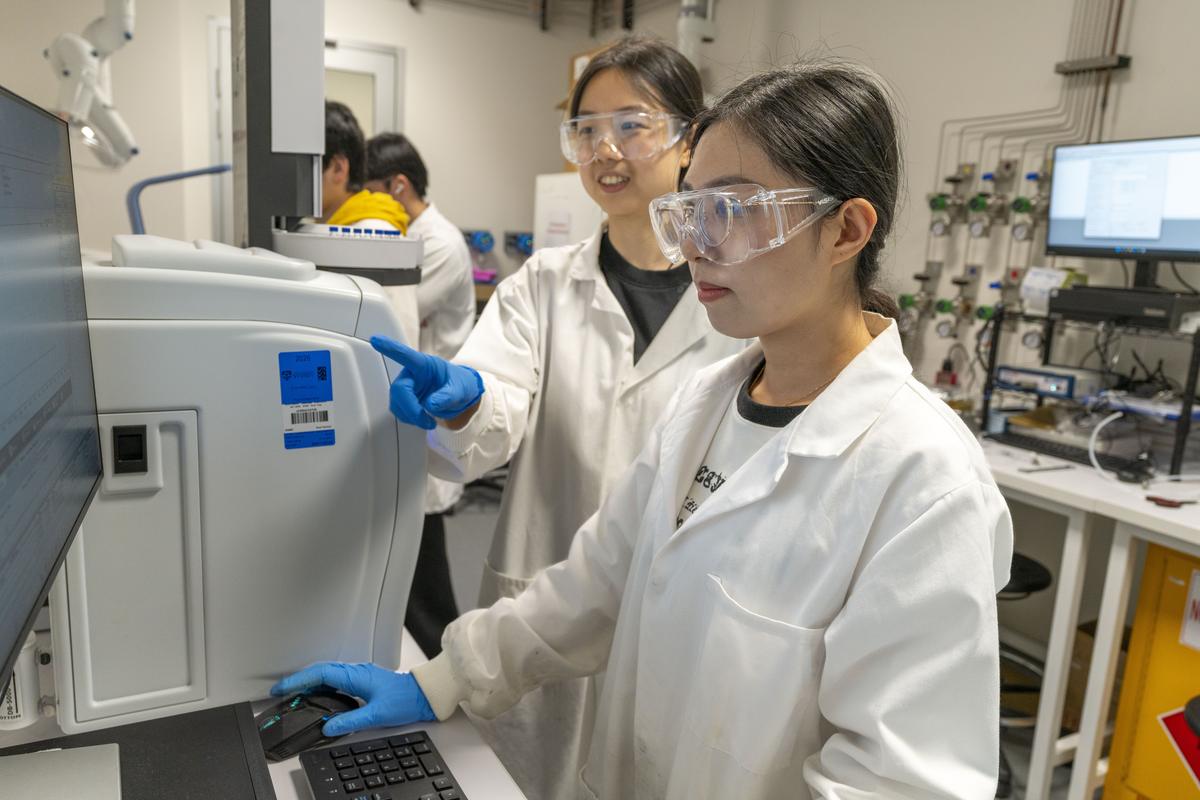
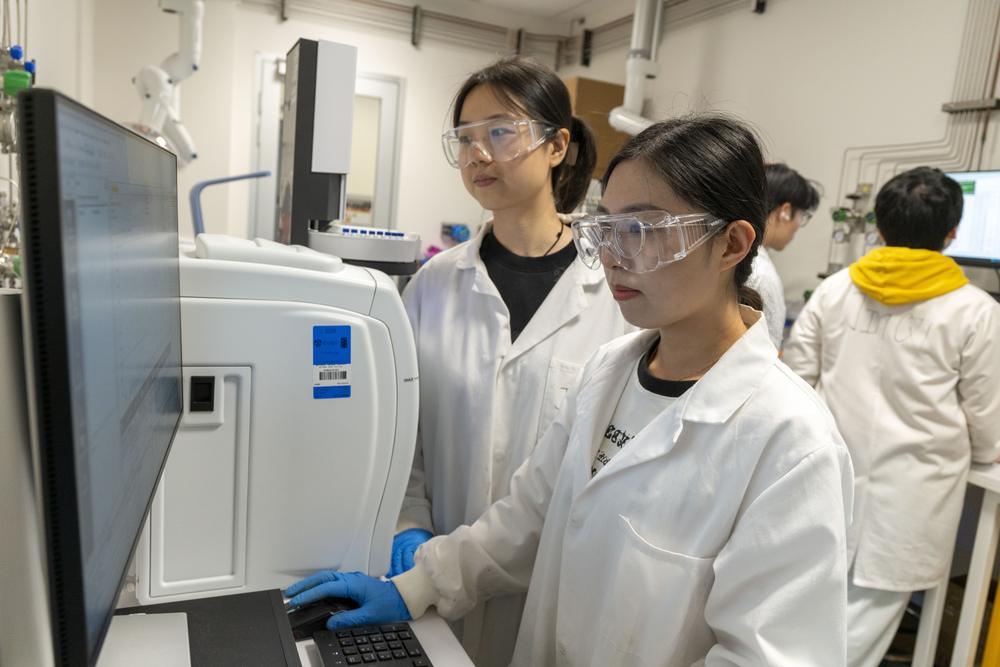
Standardised protocols, automated equipment and careful product analysis give data that can be compared across experiments, and that AI can use to plan the next one.
A selection of papers led by the lab. A different set appears on each visit.
All publicationsACS Energy Letters 2026
Bridging the Lab-to-Plant Gap in Electrochemical CO2 Capture
JACS 2026
Advanced Materials 2025
JACS 2025
Immobilized Azole Layer Tunes Interfacial Hydrogen Source for CO2 Electroreduction in Strong Acid
ACS Energy Letters 2025
Hidden Acidification Challenges in Electrochemical Ocean Decarbonization
Nature Communications 2024
Ligand-tuning copper in coordination polymers for efficient electrochemical C–C coupling
Nature Synthesis 2024
Efficient ethylene electrosynthesis through C–O cleavage promoted by water dissociation
Nature Synthesis 2023
Nature Communications 2023
Stabilizing copper sites in coordination polymers toward efficient electrochemical C-C coupling
Nature Communications 2022
A metal-supported single-atom catalytic site enables carbon dioxide hydrogenation
Science 2021
Nature Communications 2021
Nature Catalysis 2019
Nature 2019
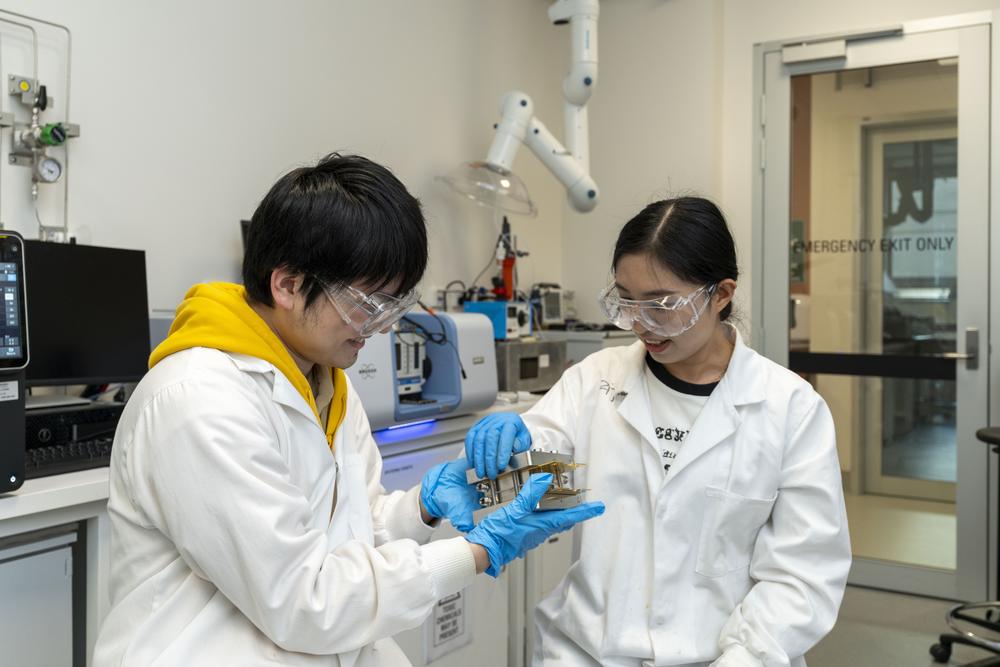
We welcome enquiries from prospective PhD students, postdoctoral researchers and visitors in chemistry, materials science and chemical engineering.